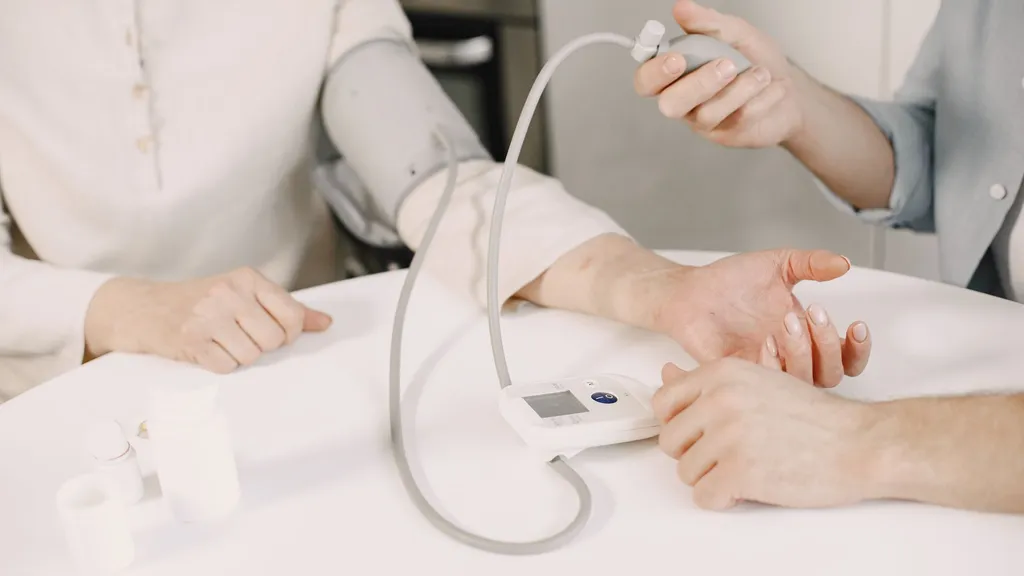
Fully Managed RPM and Chronic Care for Cardiology Practices
Support patients between visits with connected monitoring, clinical follow-up, and cardiology-focused workflows without asking your existing team to operate another care program.
Vironix helps cardiology practices improve visibility into hypertension, chronic heart failure, weight changes, medication adherence, and other signals that may require follow-up.
Our fully managed model supports the operational work surrounding remote care while keeping the cardiology practice responsible for clinical judgment, treatment decisions, and patient care.
A practical cardiology guide
More visibility into cardiovascular care between visits
Start with the clinical question, then build the monitoring and engagement workflow around the patient population.
Why use remote patient monitoring in cardiology?
Office visits provide important clinical information, but they are only snapshots. Repeated home readings and patient follow-up can reveal trends in blood pressure, weight, symptoms, and engagement between appointments.
See longitudinal patterns instead of relying on a single reading.
Create a defined path for outreach when readings or symptoms need review.
Reinforce care plans and medication discussions between visits.
Which cardiology patients may be a good fit?
A practice may consider patients with hypertension, chronic heart failure, or complex cardiovascular conditions whose care plan would benefit from more consistent monitoring and engagement. The treating clinician determines clinical appropriateness.
Identify the monitoring goal before selecting devices or workflows.
Adjust the program to the patient's condition, ability, and care plan.
Use practice-approved thresholds and escalation contacts.
What happens when a patient's readings change?
Monitoring staff review readings and recent trends, contact the patient for context when appropriate, and follow the escalation protocol established with the practice. The treating team remains responsible for diagnosis and treatment decisions.
Review trends, symptoms, and patient context together.
Route qualifying concerns to the designated clinical contact.
Direct urgent symptoms to the practice's emergency guidance.
How does Vironix support the cardiology team?
Vironix supports the operational work around the program, including enrollment, device education, routine monitoring, patient outreach, engagement follow-up, documentation, and reporting. The practice retains ownership of clinical protocols and treatment decisions.
Define responsibilities before the program launches.
Keep escalation contacts and response expectations clear.
Give the practice organized information for clinical review.
Why Vironix for Cardiology
Connected monitoring
Support connected blood-pressure cuffs, weight scales, pulse oximeters, and other approved devices selected for the patient's monitoring plan.
Clinical monitoring support
Trained monitoring staff support enrollment, education, routine review, outreach, engagement follow-up, documentation, and escalation within the agreed scope.
Cardiology-focused workflows
Configure patient populations, monitoring expectations, escalation contacts, and care-management activities around the needs of the cardiology practice.
Longitudinal patient engagement
Help patients stay connected to their care plan between office visits through consistent outreach and practical support.
Claim-ready documentation
Organize readings, outreach, time, and care activity into clear reports for the practice's billing team or billing partner.
Clinically informed prioritization
Bring readings, assessments, longitudinal trends, and risk signals together to help care teams identify patients who may need attention.
Clear ownership
Know exactly who handles each part of the program
The responsibility model is agreed with each practice before launch.
Program responsibility
Vironix
Cardiology practice
Program design
Leads the operating assessment and configures devices, staffing, documentation, and reporting workflows.
Provides practice context and approves the clinical operating model.
Patient participation
Supports identification, enrollment, education, device logistics, and ongoing engagement.
Confirms clinical appropriateness and reinforces the care recommendation.
Monitoring and outreach
Reviews routine program activity and conducts outreach within the agreed scope.
Receives information requiring clinical review and participates when needed.
Escalation
Follows the practice-approved protocol and routes qualifying concerns to the designated contact.
Defines the protocol and makes diagnosis and treatment decisions.
Documentation and billing support
Tracks relevant activity and prepares organized, claim-ready reports.
Reviews documentation and submits claims through the agreed billing workflow.
Program design
Vironix
Leads the operating assessment and configures devices, staffing, documentation, and reporting workflows.
Cardiology practice
Provides practice context and approves the clinical operating model.
Patient participation
Vironix
Supports identification, enrollment, education, device logistics, and ongoing engagement.
Cardiology practice
Confirms clinical appropriateness and reinforces the care recommendation.
Monitoring and outreach
Vironix
Reviews routine program activity and conducts outreach within the agreed scope.
Cardiology practice
Receives information requiring clinical review and participates when needed.
Escalation
Vironix
Follows the practice-approved protocol and routes qualifying concerns to the designated contact.
Cardiology practice
Defines the protocol and makes diagnosis and treatment decisions.
Documentation and billing support
Vironix
Tracks relevant activity and prepares organized, claim-ready reports.
Cardiology practice
Reviews documentation and submits claims through the agreed billing workflow.
How RPM, CCM, and PCM can fit together
Remote Patient Monitoring
Connected physiologic measurements
Patient device education
Routine monitoring workflows
Interactive patient communication
Practice-approved escalation
Chronic Care Management
Ongoing patient communication
Care-plan support
Medication-related discussions
Coordination across the care team
Qualifying time documentation
Principal Care Management
Focused support for a serious chronic condition
Condition-specific care planning
Regular patient engagement
Symptom and medication discussions
Documentation for eligible services
Eligibility & Billing
Clinical appropriateness, payer requirements, patient consent, device usage, and service-specific billing rules must be evaluated for each patient. Vironix helps practices organize the necessary workflows and documentation but does not guarantee coverage or reimbursement.
Patient cost-sharing may depend on insurance coverage, deductibles, coinsurance, and the services provided. Patients should receive appropriate information about potential financial responsibility before enrollment.
Frequently Asked Questions
Strengthen Cardiology Care Between Visits
Give your team better visibility into patient trends while providing consistent support to patients at home.

 Vironix Health